19 October 2026 · Shirakawa-go and Kanazawa
Well rested, we set off from the Hyatt Centric in Kanazawa for our big day out. Nine hours of exploring lie ahead. A day that takes us from historic Japan in the mountains to the little golden treasures of Kanazawa.
Shirakawa-go – built for winter
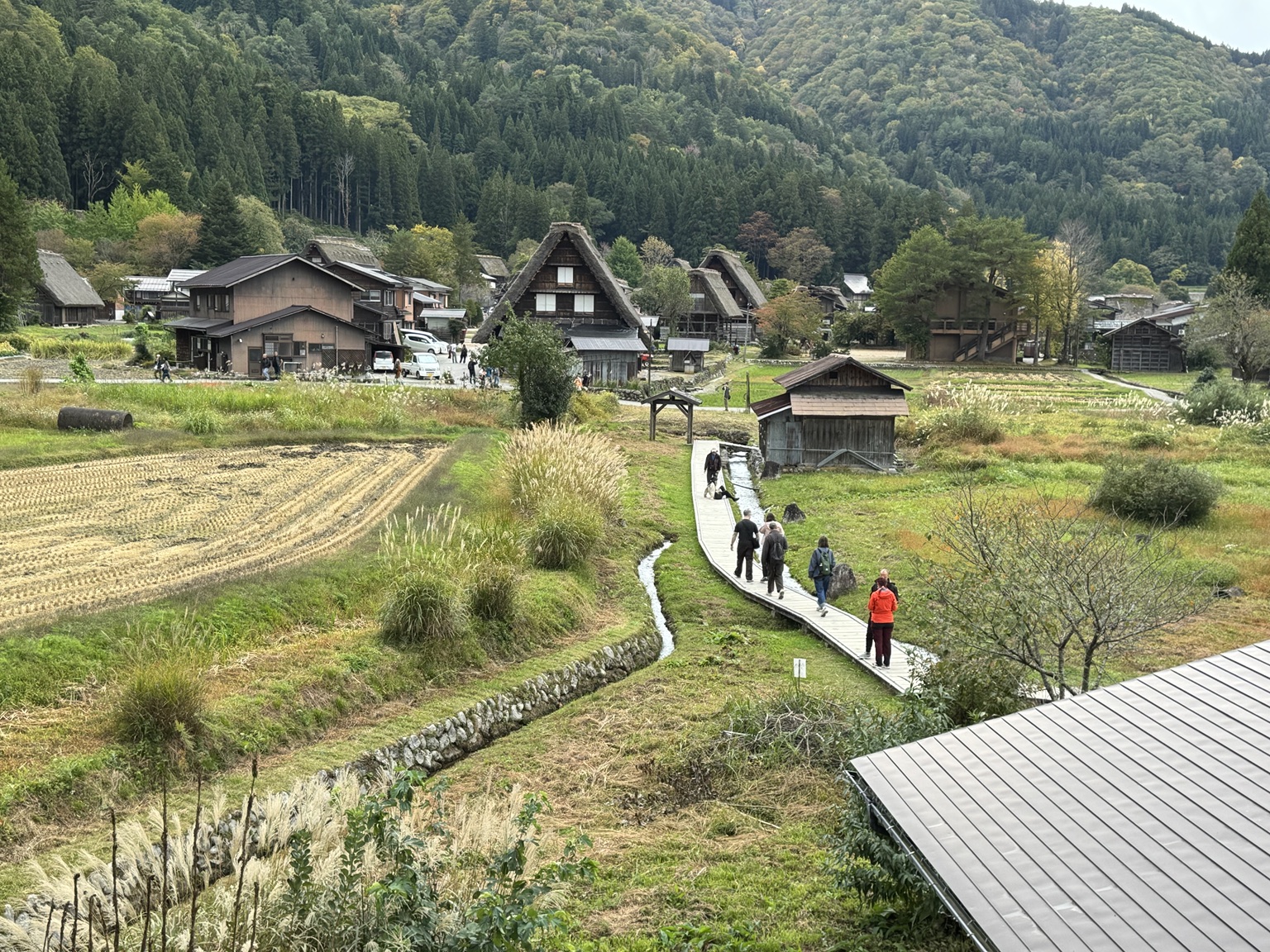
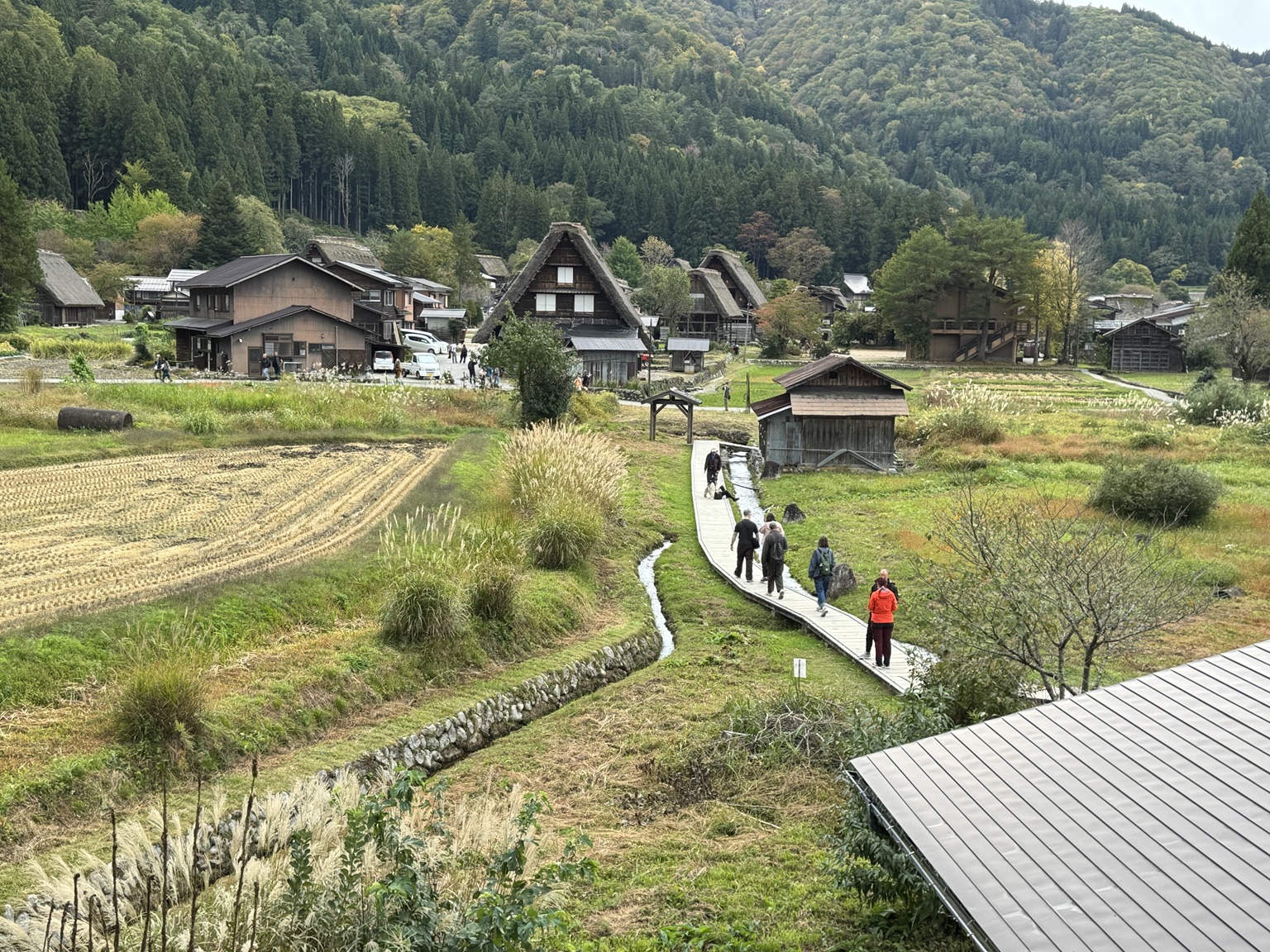
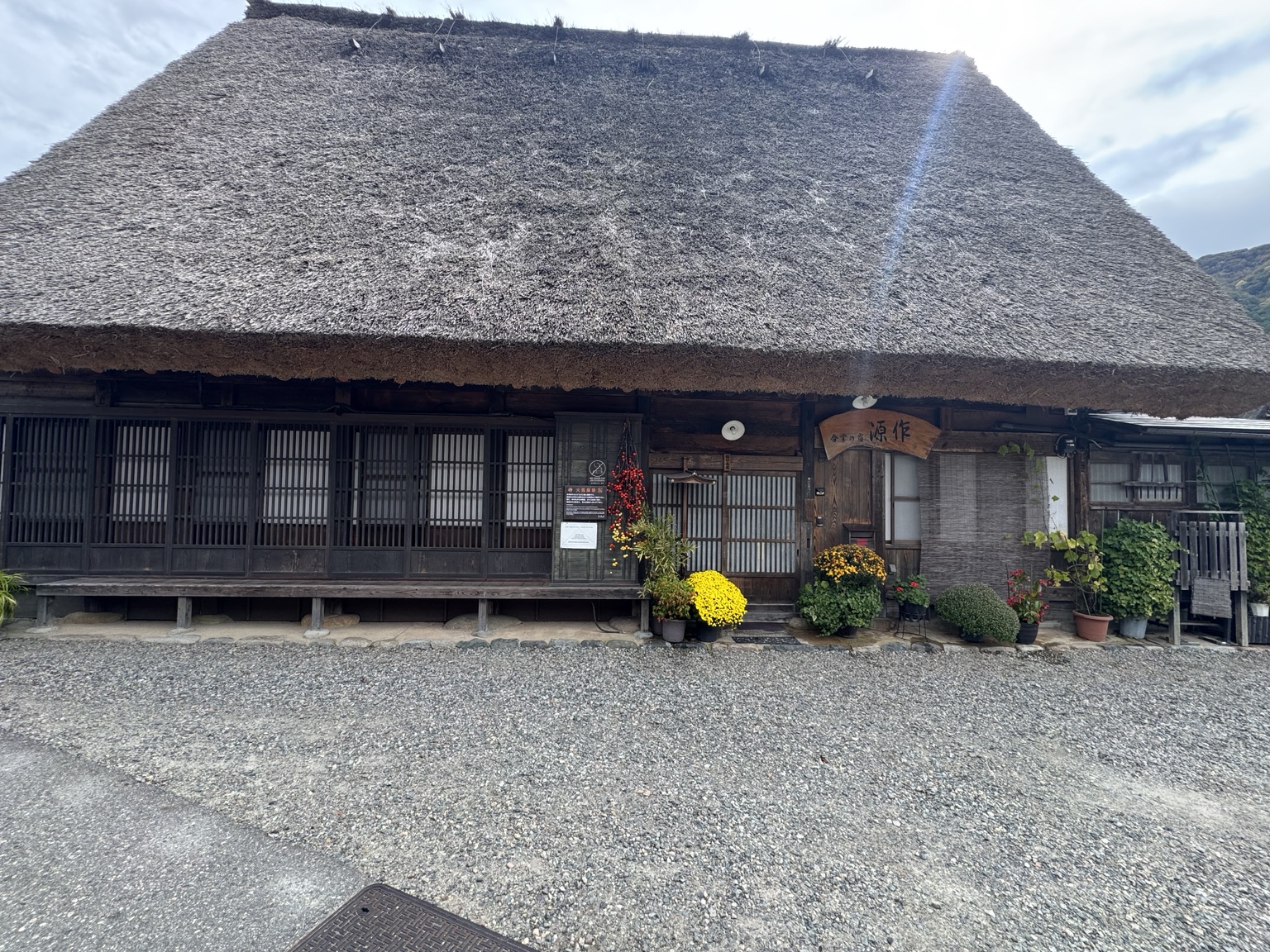
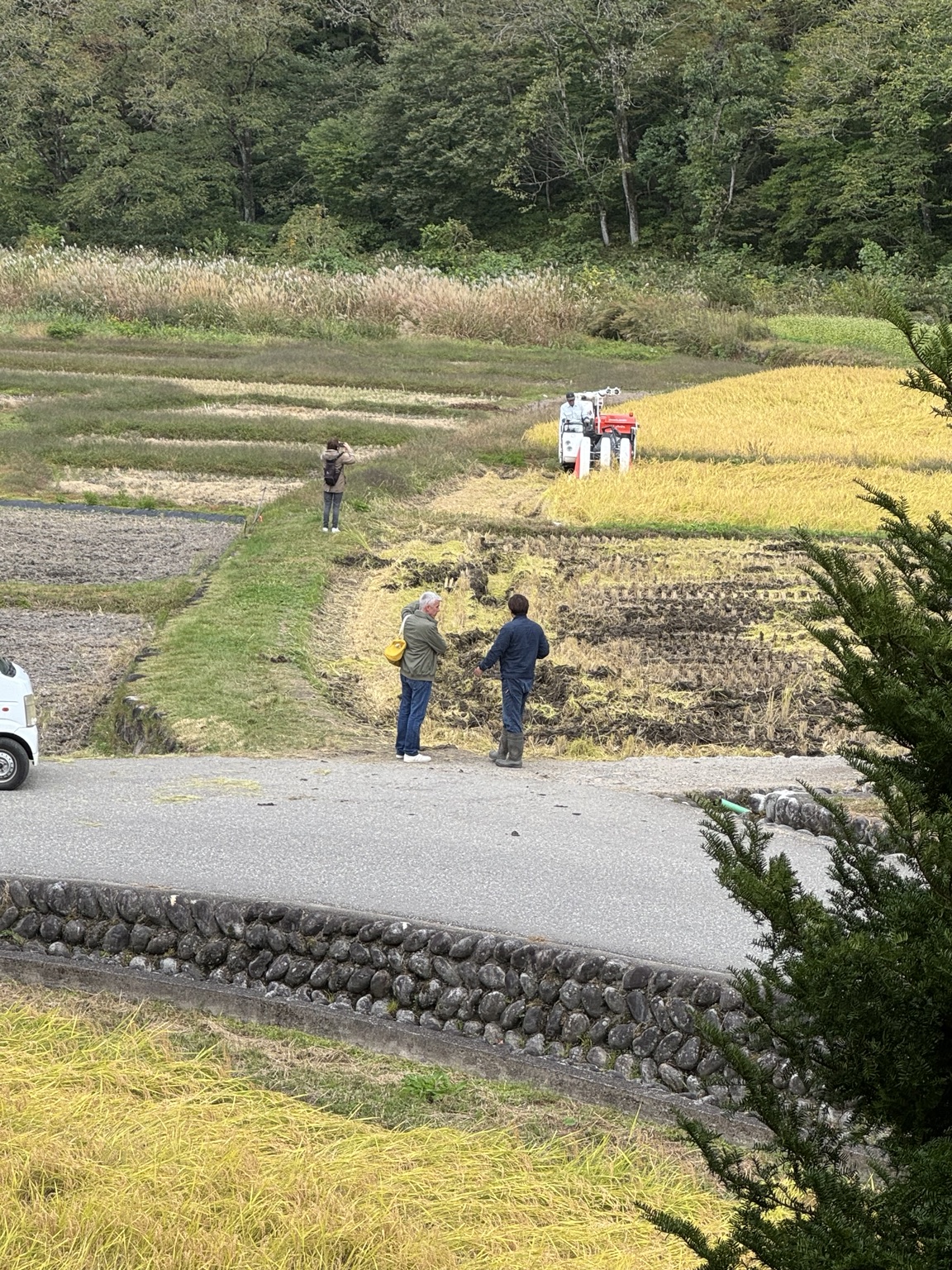
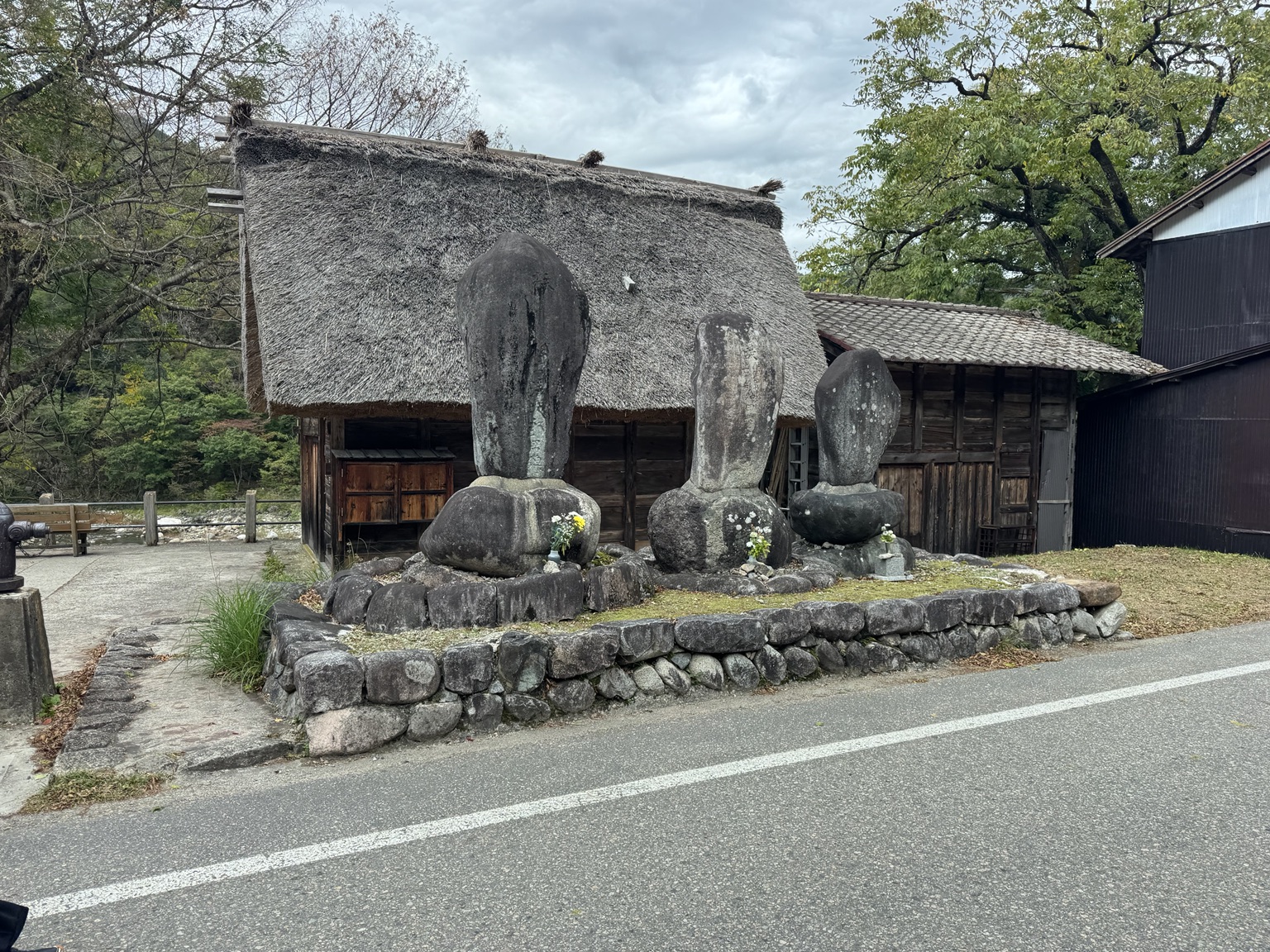
Our first major destination is the historic village of Shirakawa-go, part of a UNESCO World Heritage site. Huge, steeply thatched roofs rise above dark wooden houses, with forested mountainsides behind them. Narrow paths, water channels and rice fields run between the buildings. The rice harvest is under way. A beautiful glimpse of rural Japan.
Here is something I had not known: in winter, the snow can stand two metres deep, sometimes even higher. Suddenly, the design of these houses makes perfect sense. The steep roofs help snow slide off, while the sturdy timber structure is built to cope with the enormous demands of winter. What looks so picturesque to us is also an ingenious response to life in these snowy mountains.
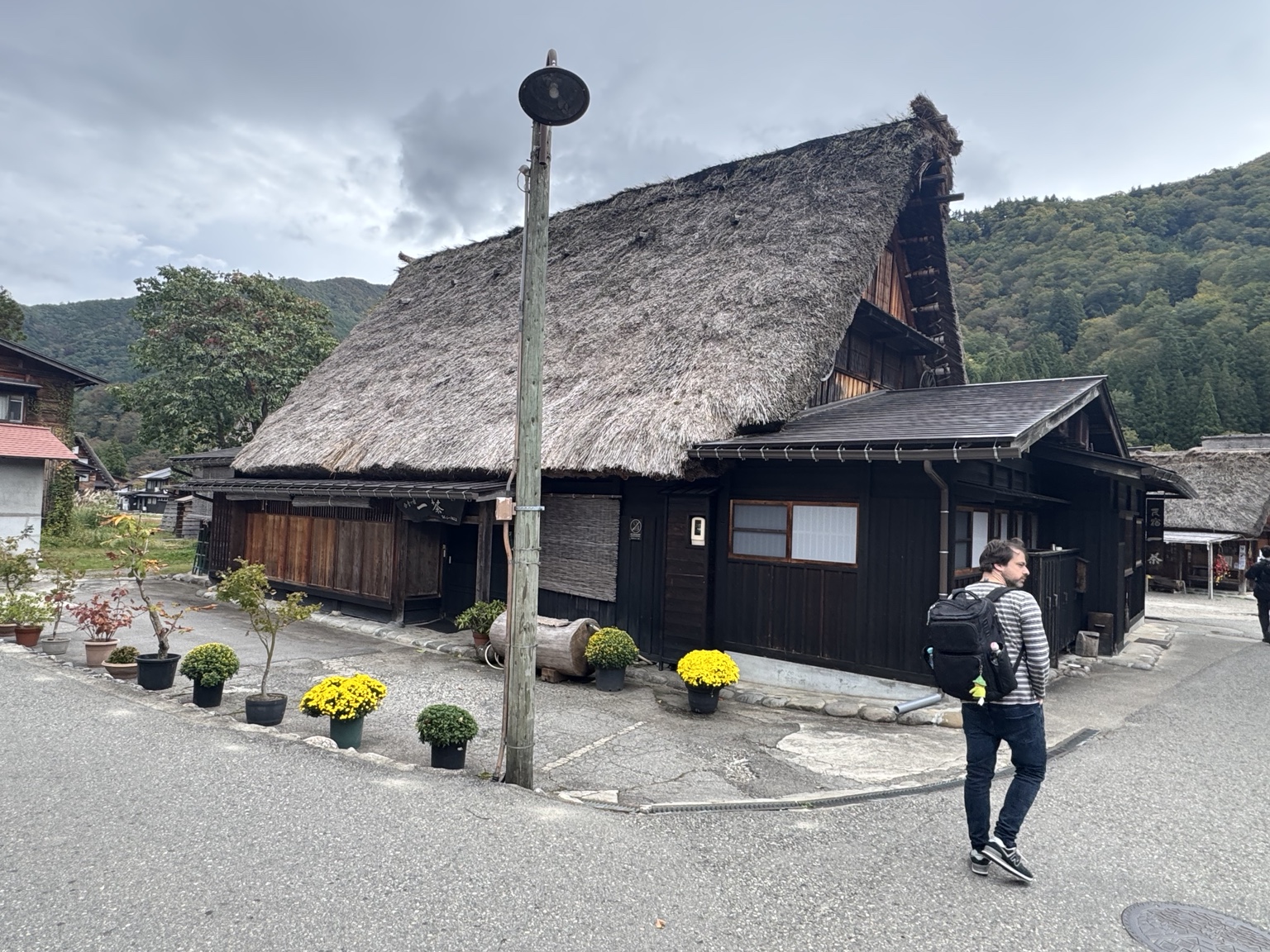
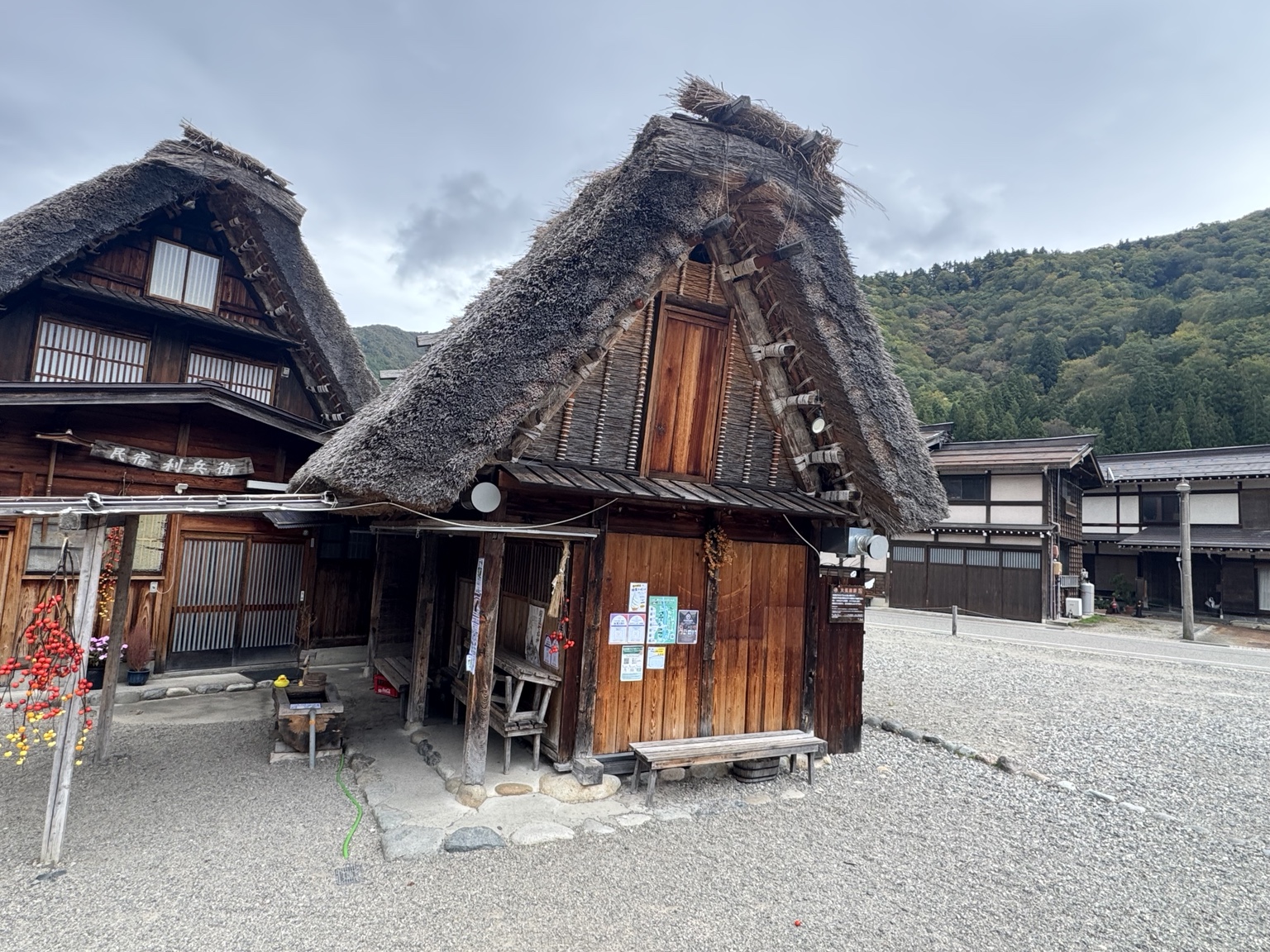
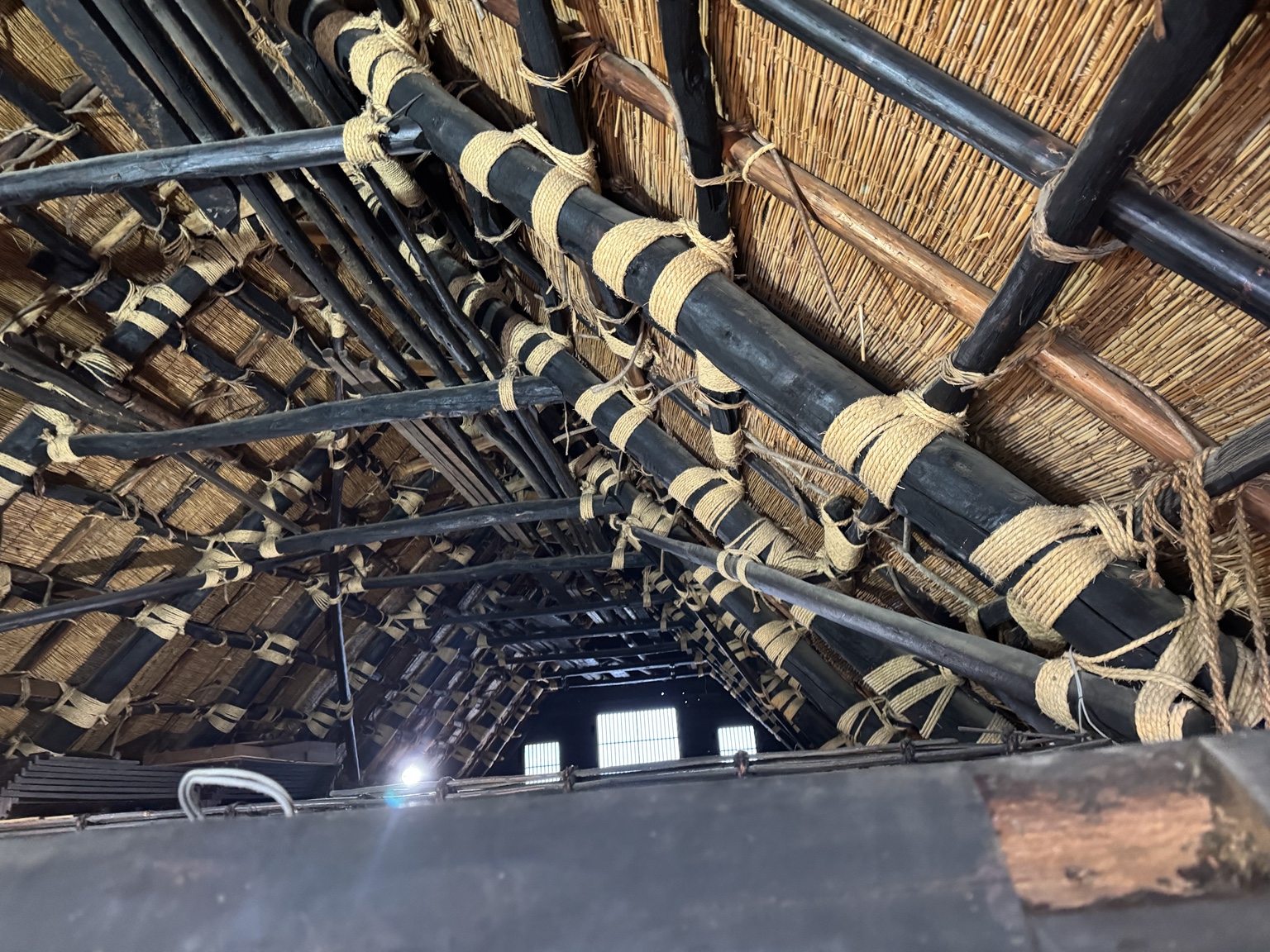
Looking up beneath one of those roofs is particularly impressive: massive dark beams, lashed together with thick ropes. You begin to appreciate just how much knowledge and craftsmanship went into these old houses.
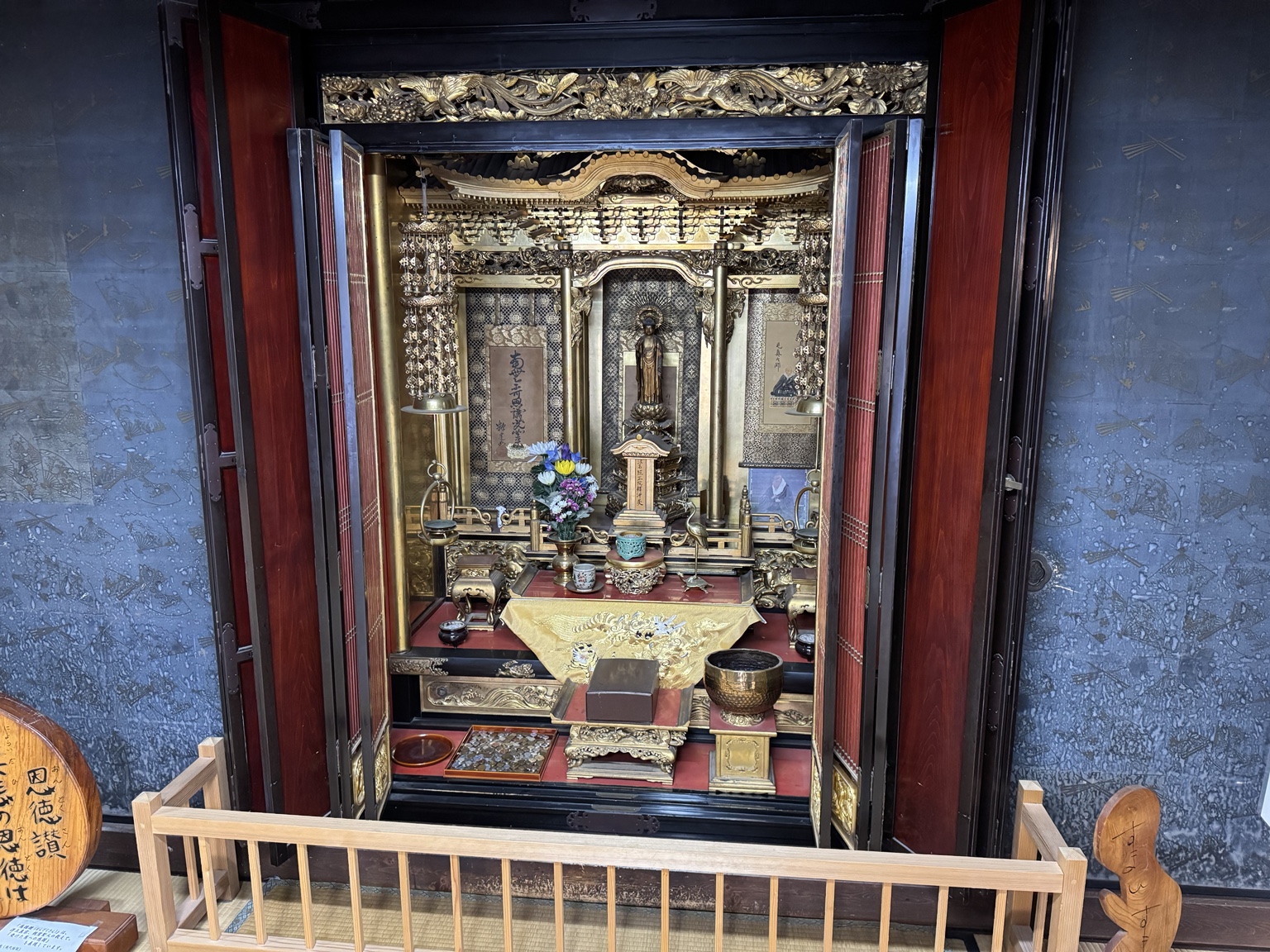
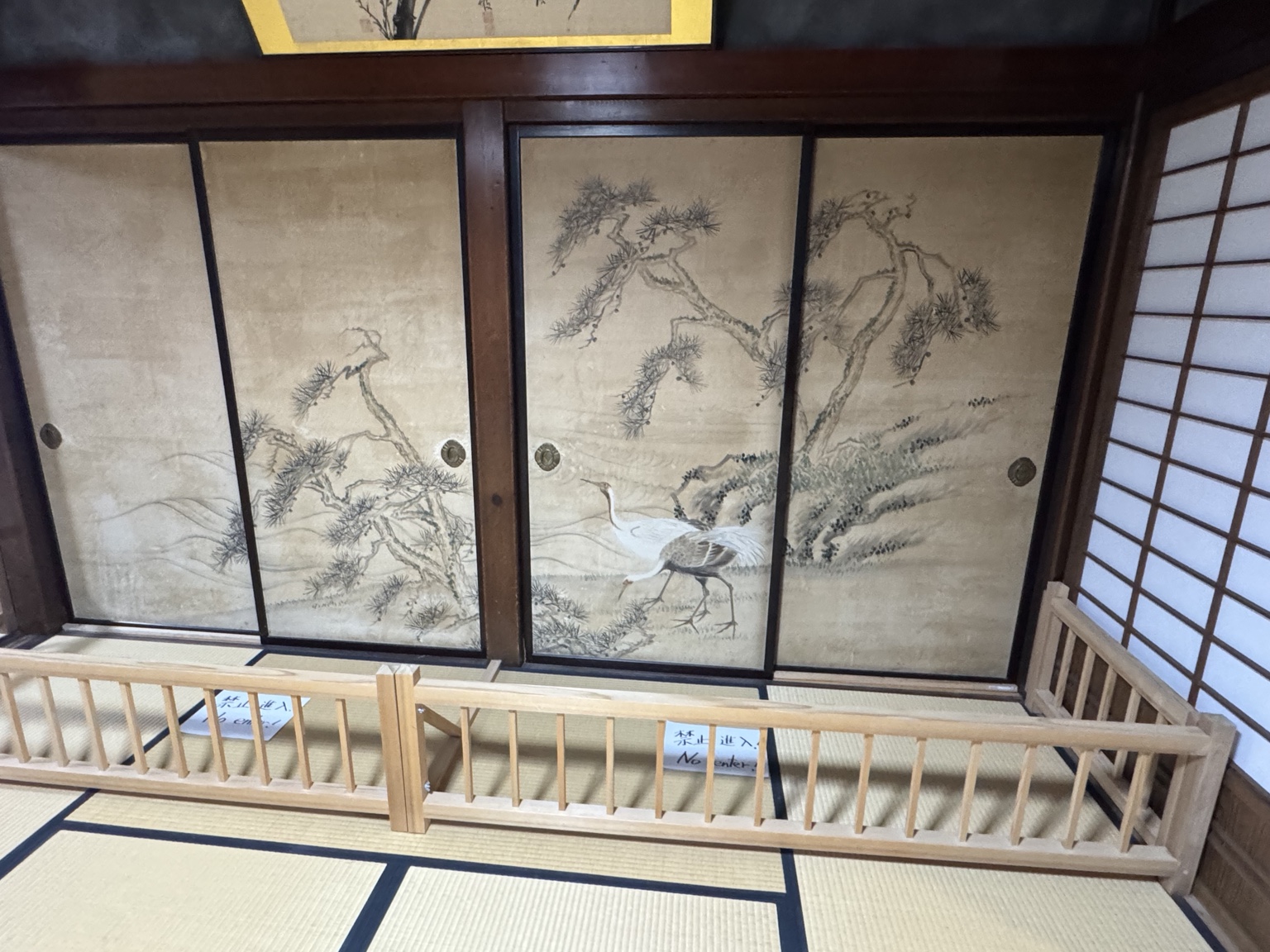
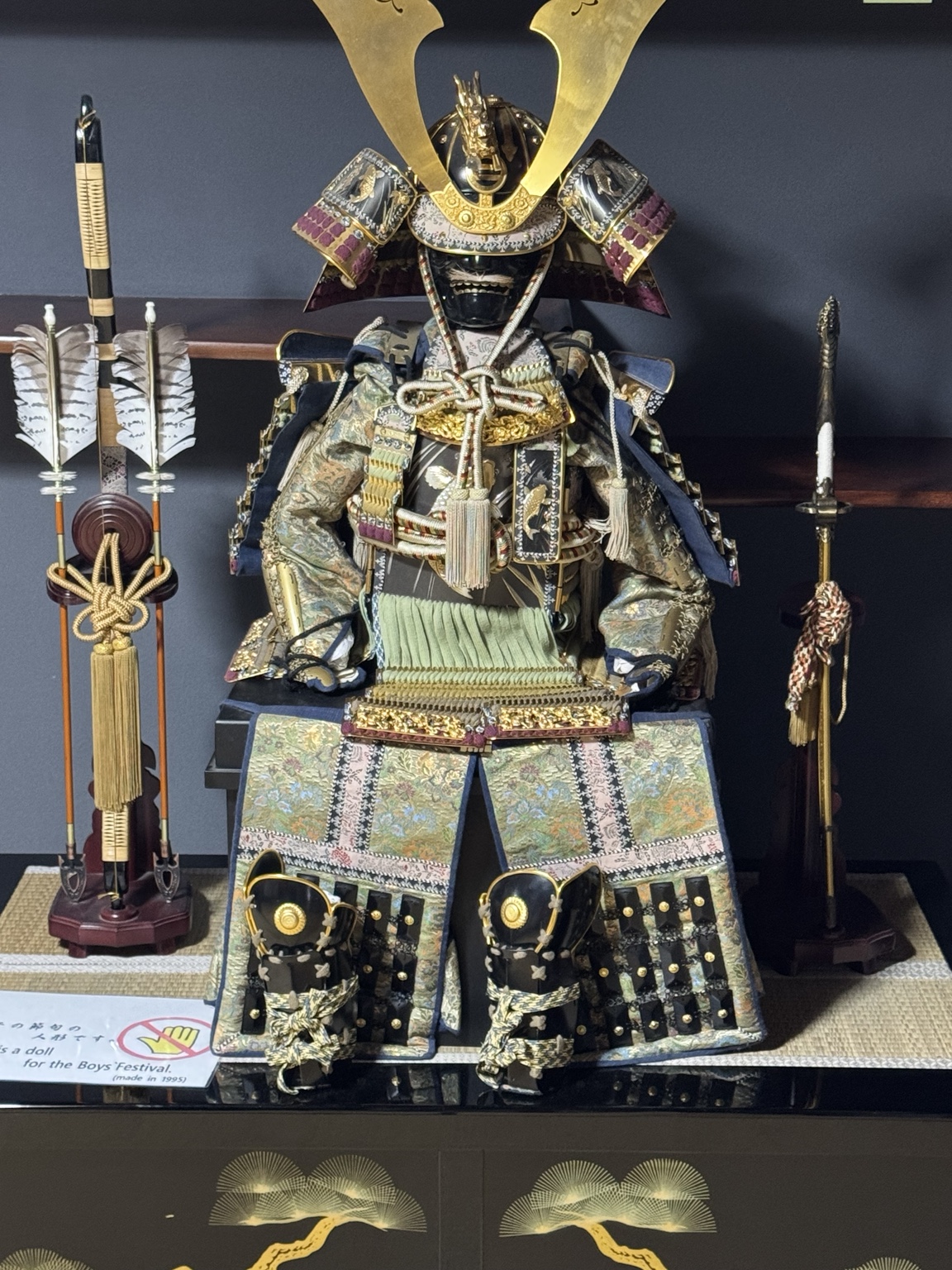
The living rooms reveal another world: tatami mats, painted sliding doors with cranes and pine trees, and an intricately decorated household altar. So rustic outside, so full of delicate details within. There is also an elaborately dressed samurai doll on display.
Kenroku-en – a garden that makes you pause
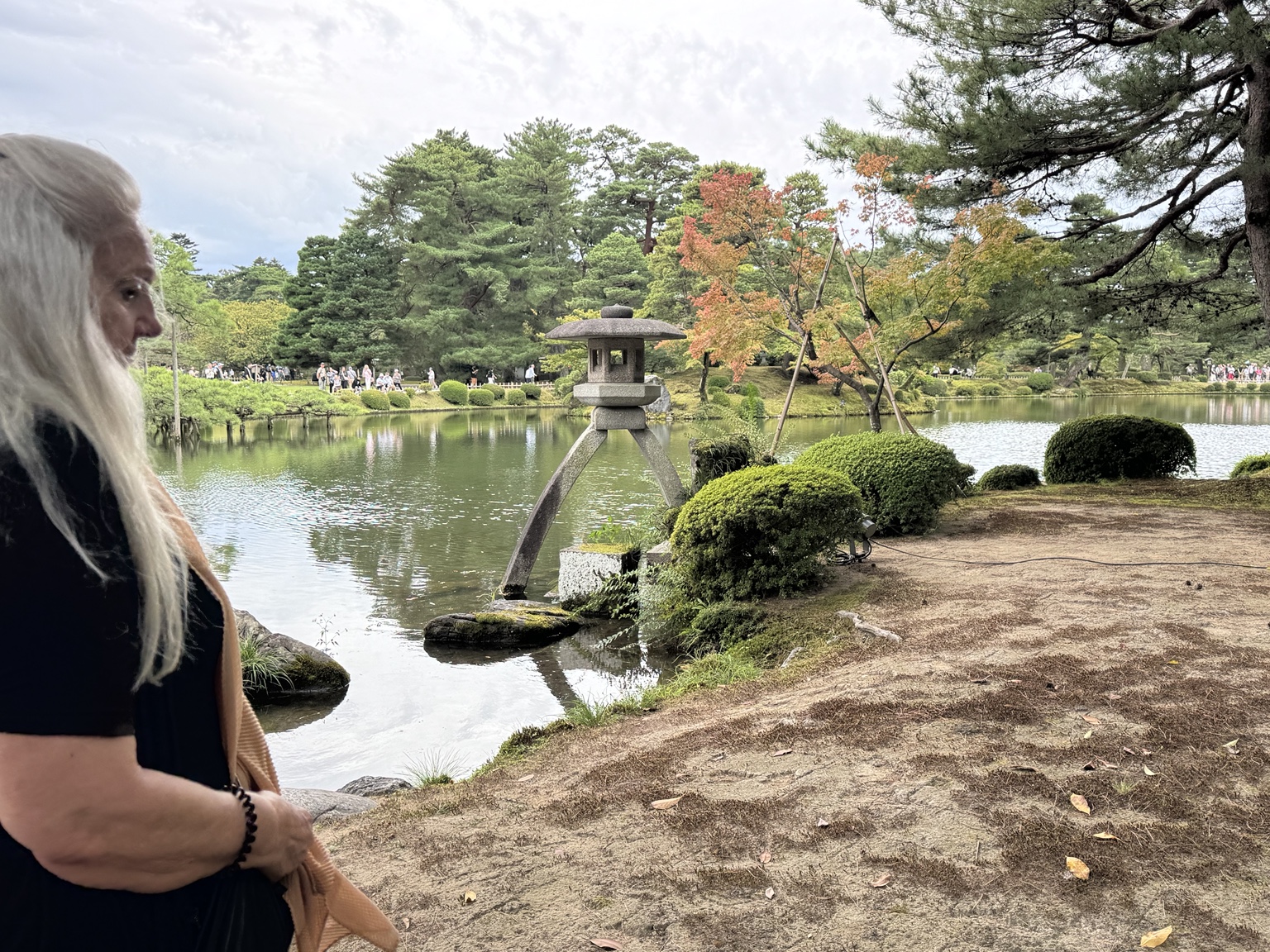
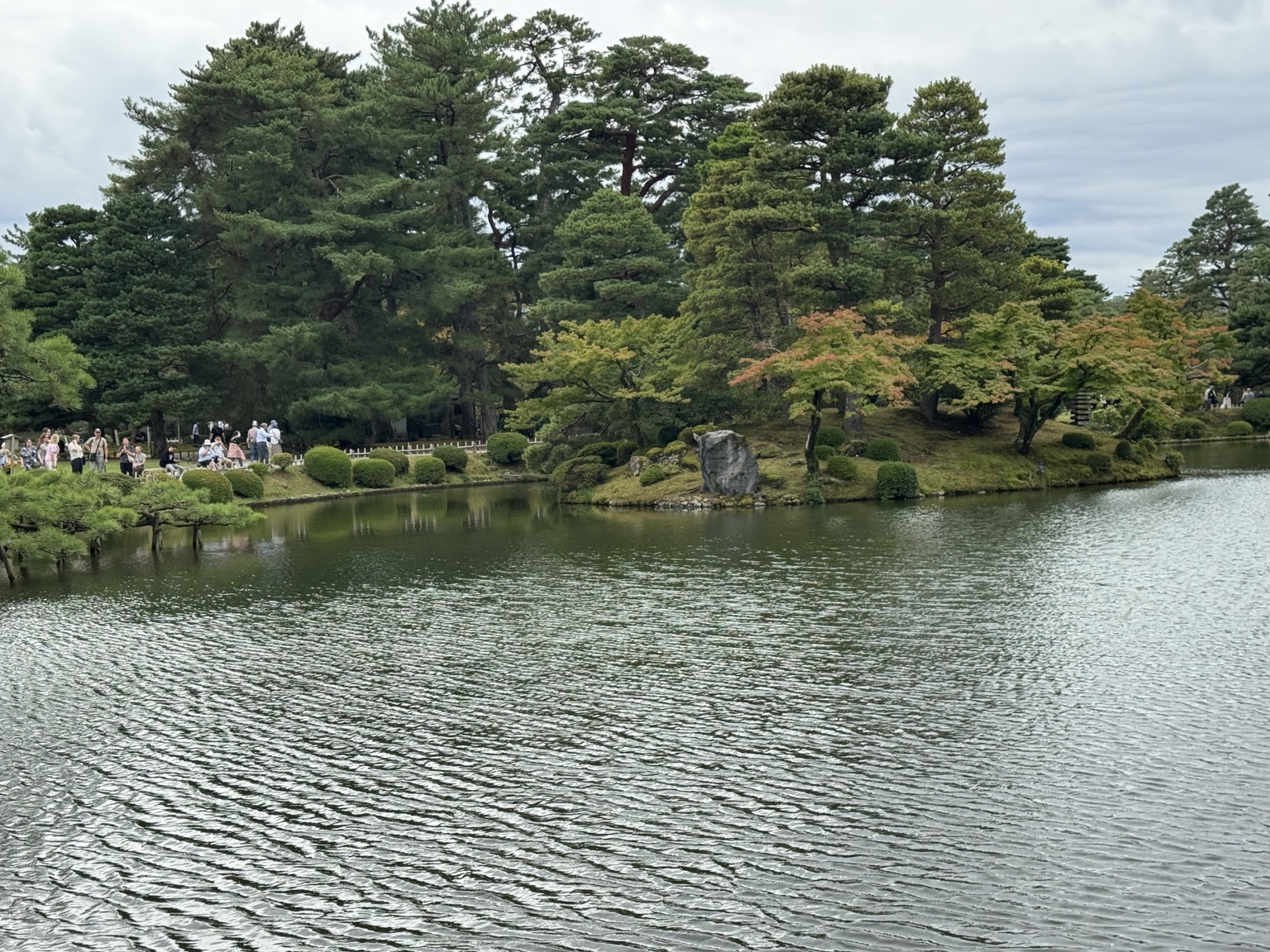
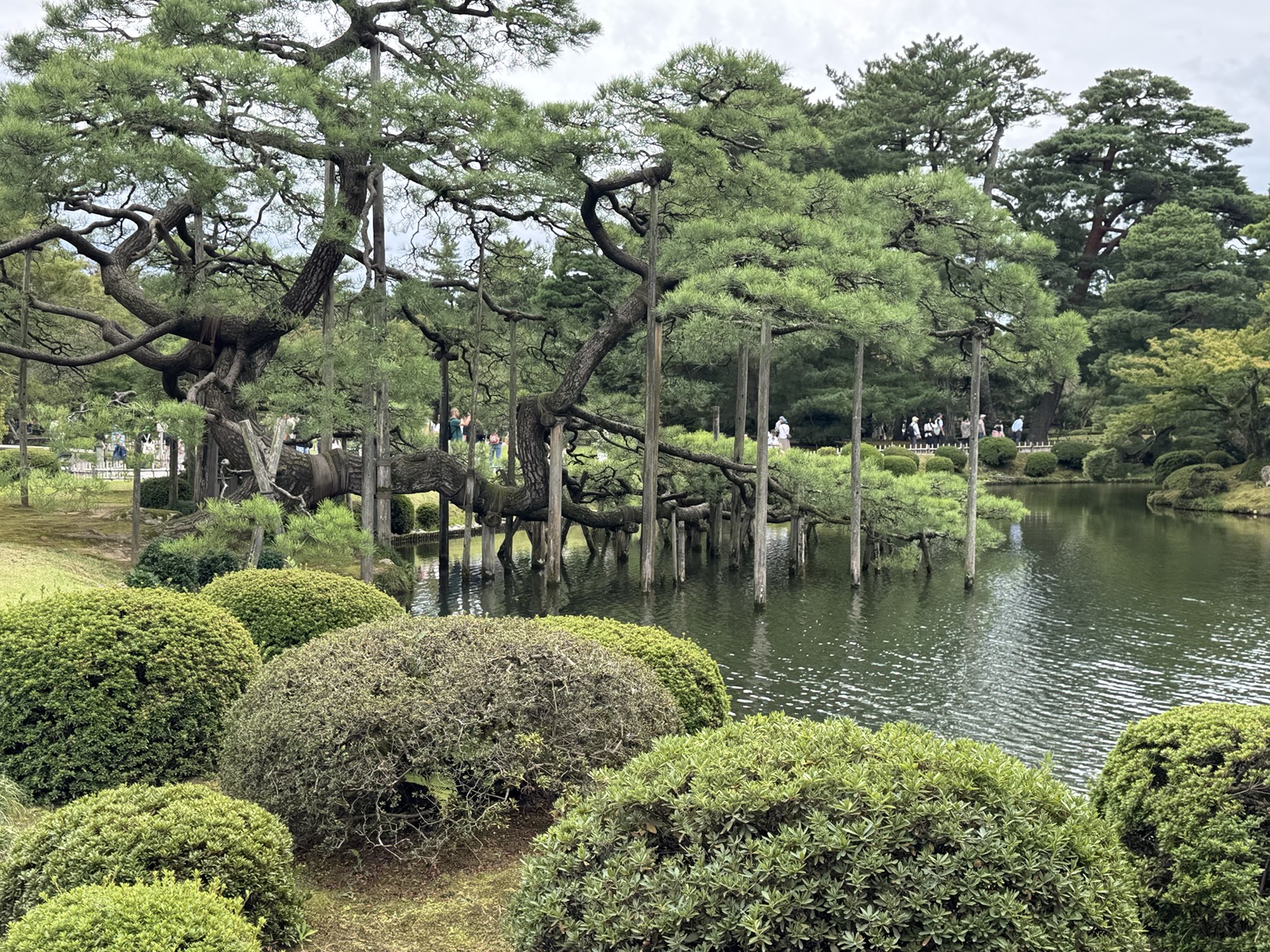
Back in Kanazawa, Kenroku-en awaits us, one of Japan’s three most celebrated landscape gardens. A wonderful Japanese garden. Old pine trees stretch their branches far out over the water, carefully supported by wooden props. Between them are moss, stones, rounded shrubs and the first colours of autumn. The famous two-legged stone lantern stands beside the pond as if it could never have belonged anywhere else.
We are lucky with the weather, too, and can enjoy the garden. Again and again, we want to stop. Another look across the water, another tree, another perspective.
A little doll that gets back up
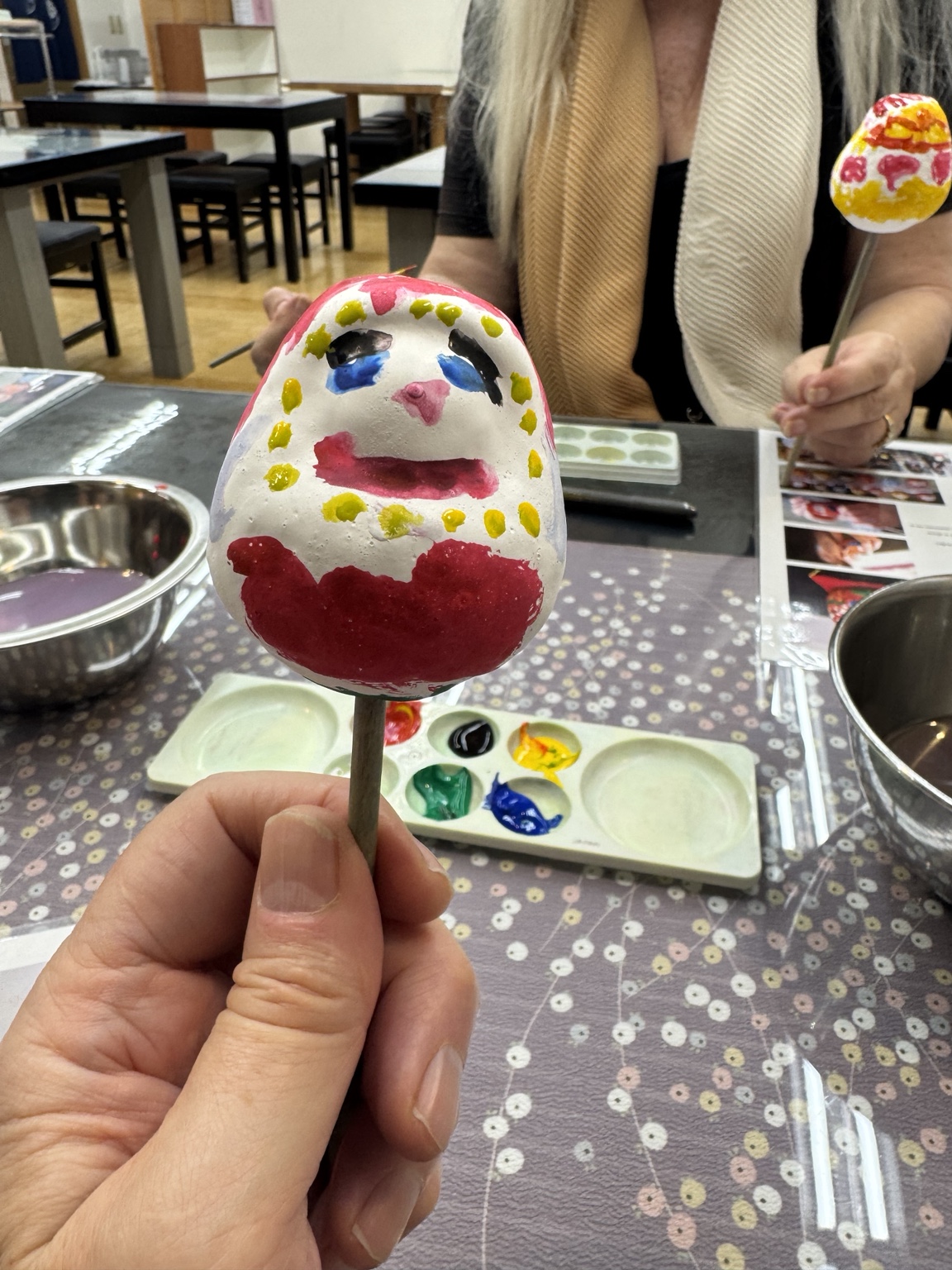
Later, we try our own hands at something creative. Anneliese and I paint little roly-poly dolls, known as Hachiman-Okiagari. Ours acquire plenty of colour and rather individual faces. Little personalities in their own right.
I particularly like the idea behind them: you can nudge these figures and knock them off balance, but they stand back up. Resilience made visible. A small reminder that we, too, can get back on our feet when something knocks us over.
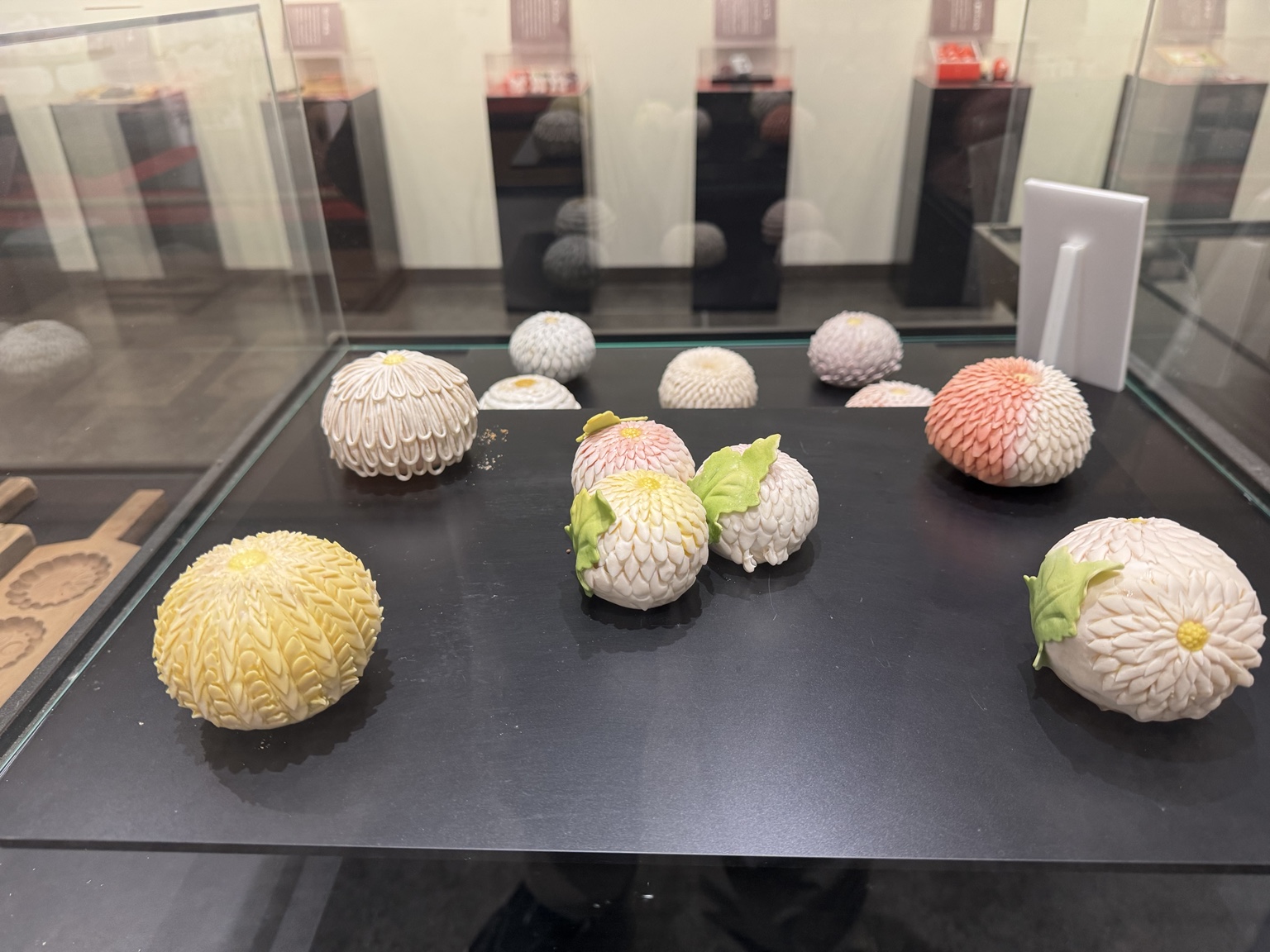
We also stop to admire the exquisitely detailed flower shapes on display. So much patience and care goes into their design.
Gold on paper – and on ice cream
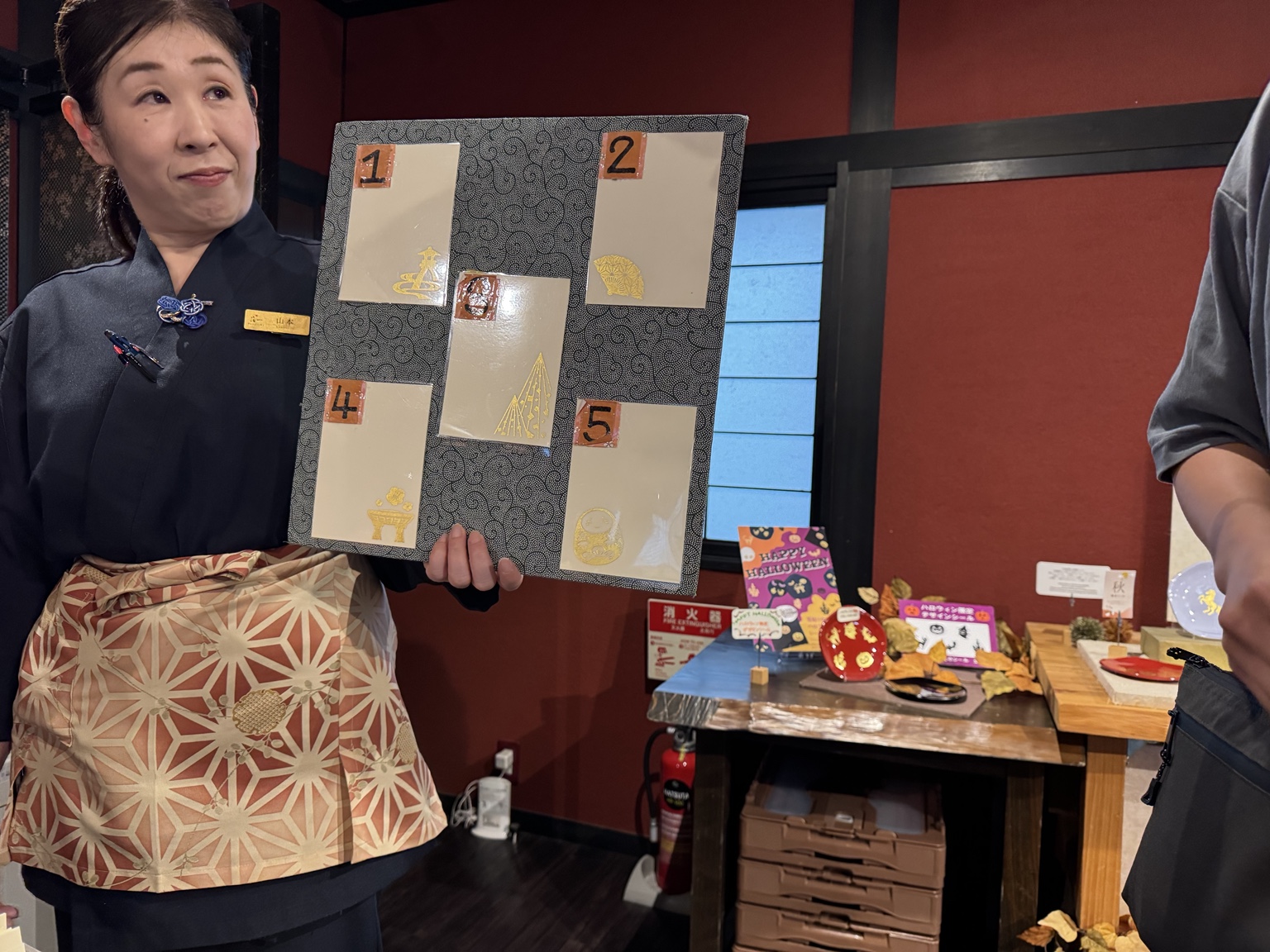
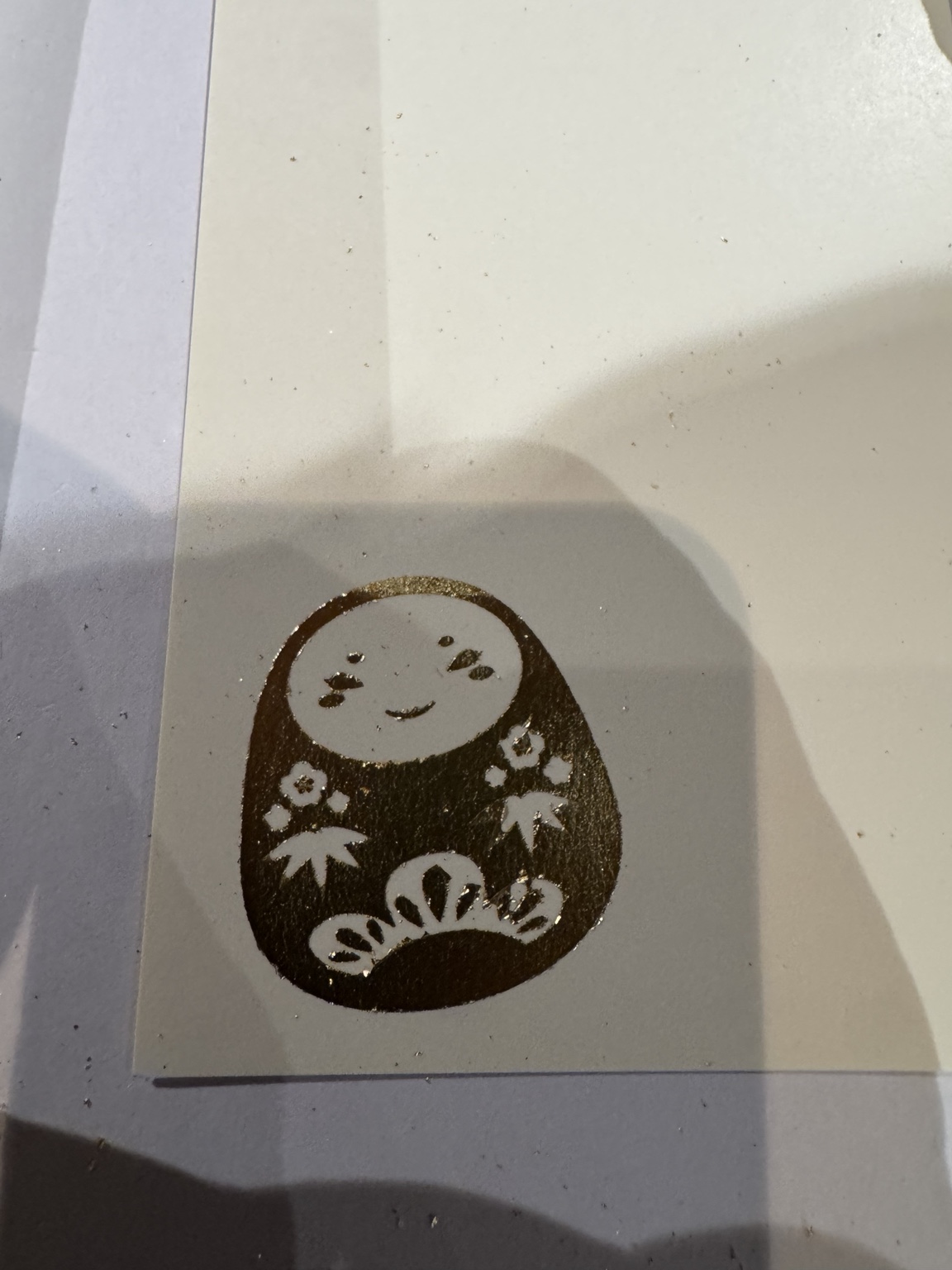
We also decorate a postcard with a golden motif, making our own keepsake of the day. On our card, another little round figure smiles back at us.
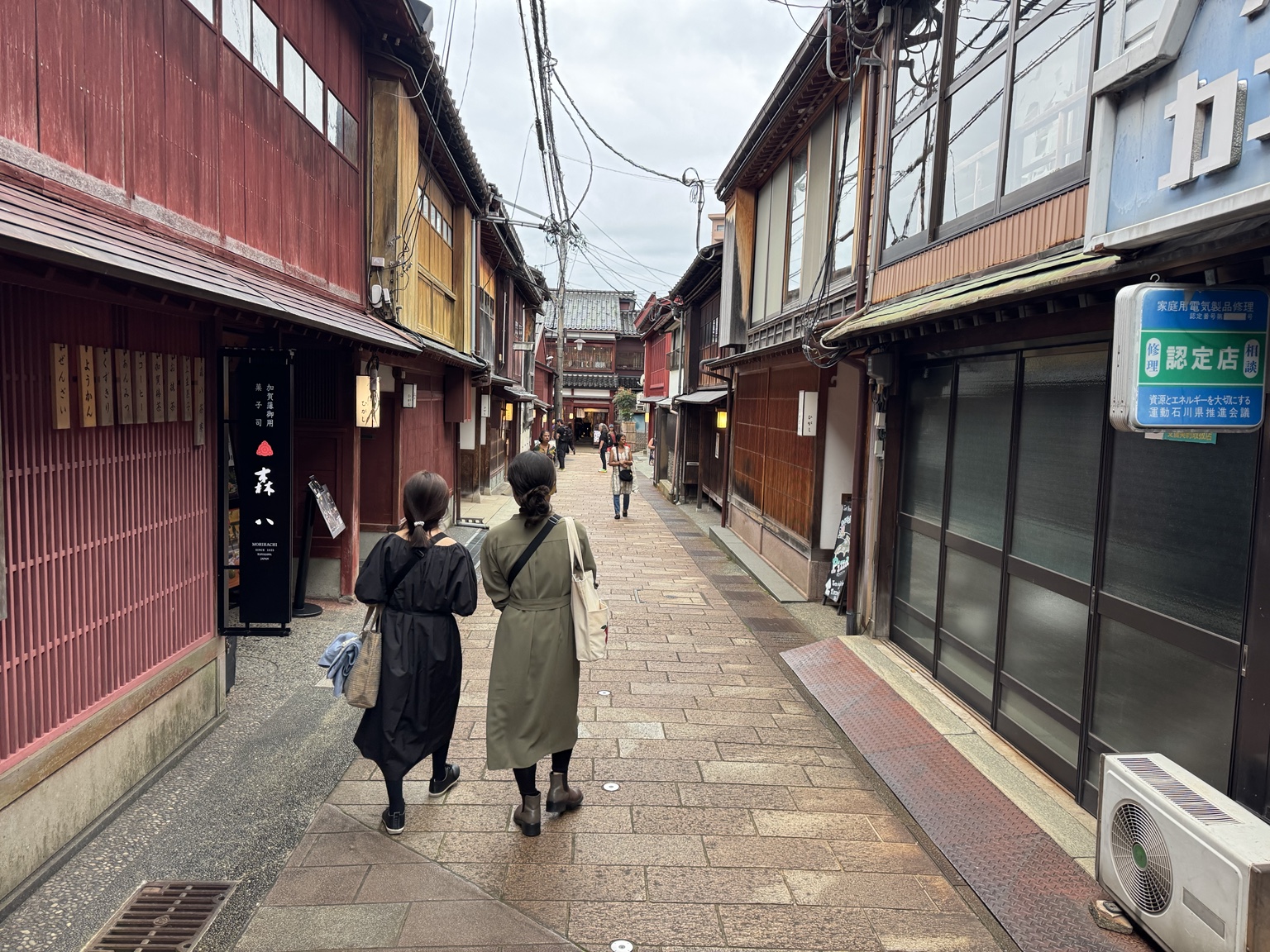
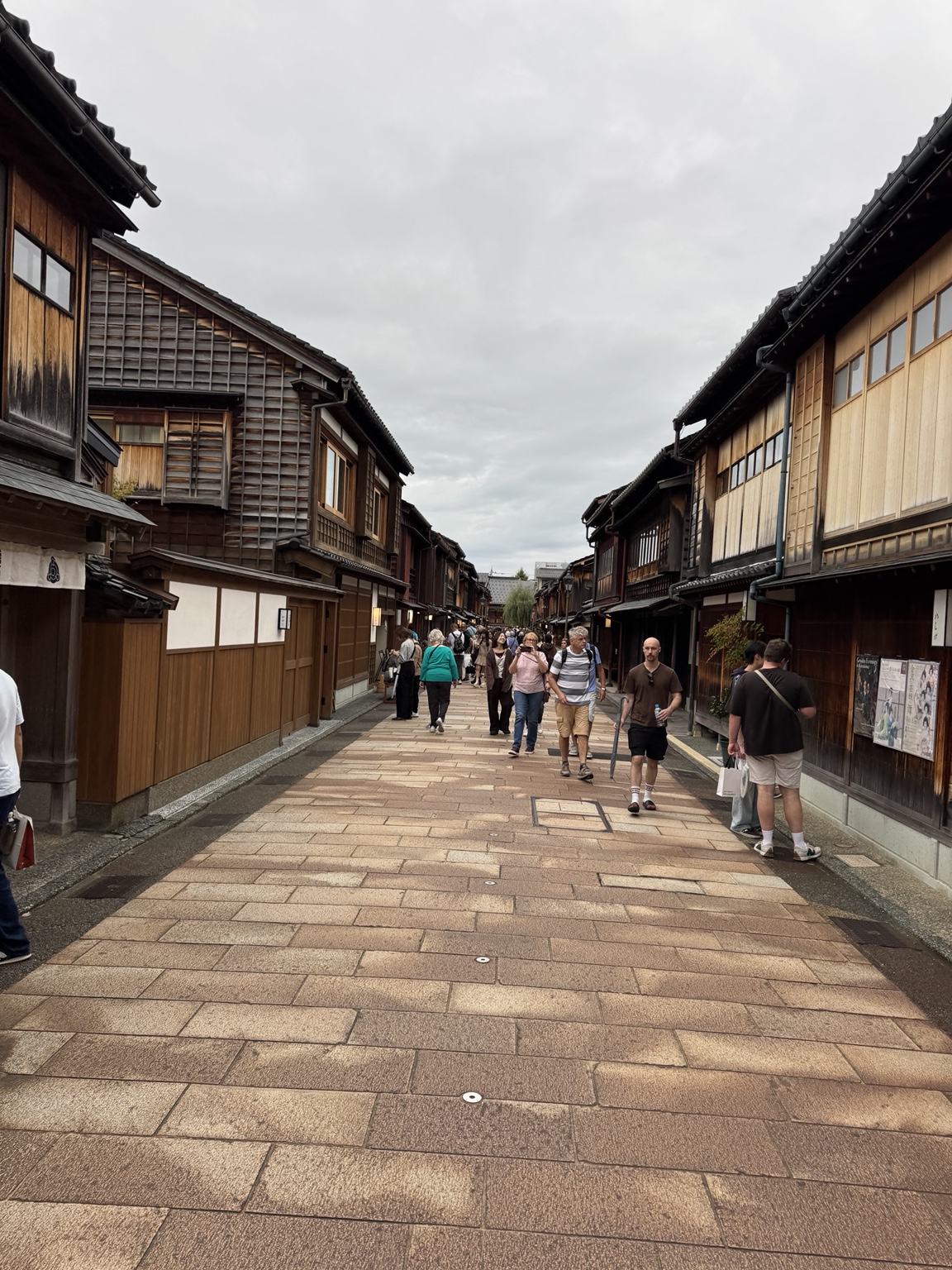
In between, we stroll through Kanazawa’s old streets, past wooden façades and small shops. Yet another side of this wonderfully varied city.
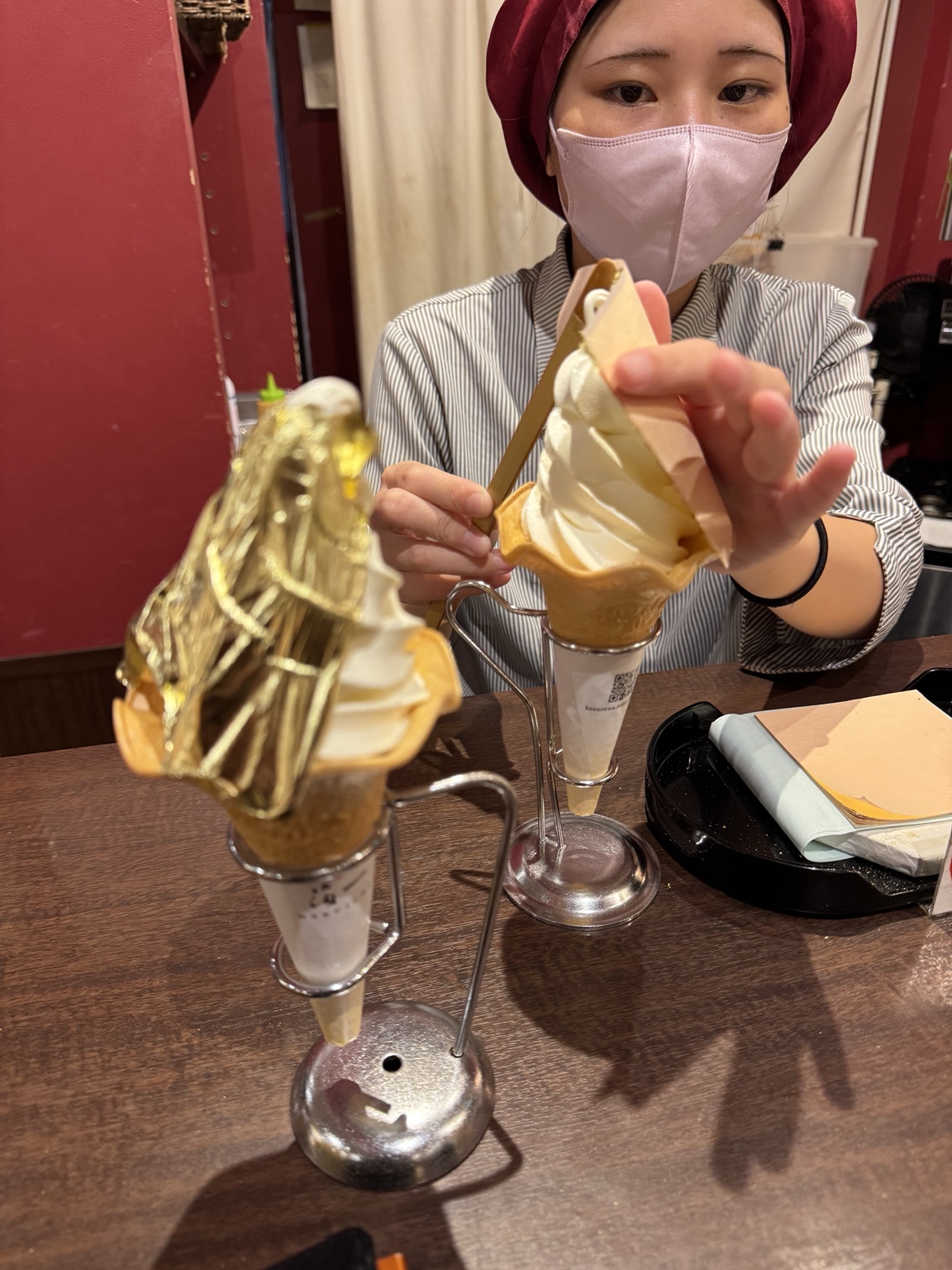
And finally, even the gold becomes edible: we treat ourselves to soft-serve ice cream covered with a wafer-thin sheet of gold leaf. Watching it being laid over the ice cream is a small spectacle in itself. Today calls for a little luxury in a cone.
So many different impressions in a single day: village life, architecture, gardens and the pleasure of making something ourselves. A beautiful, richly rewarding day. And a little roly-poly doll to accompany us on our travels.
← Chapter 29: Our Morning in Kanazawa · All chapters · Chapter 31: Kanazawa – Samurai, Sweets and Stillness →